Home
Home
How to Find, Manage, and Optimize Apps on Your Smartphone and Computer
Managing apps in 2026 requires a balance of security, performance optimization, and privacy awareness . To maintain a healthy device, users should download software exclusively from official marketplaces like the Apple App Store or Google Play Store, avoid force-closing background processes unless an app is frozen, and audit privacy labels to understand data collection. For business users, low-code platforms like Power Apps offer a way to build custom tools using standardized naming conventions and direct data connectors.
Where to Find Top-Rated Apps for Your Device
In the modern digital landscape, the way we discover and install software has shifted from physical media to centralized digital marketplaces. These platforms serve as the primary gateway for billions of users to access tools ranging from simple calculators to complex enterprise resource planning systems. Understanding where to source your software is the first step in ensuring both functionality and security.
The Major Three Marketplaces
The ecosystem is largely defined by three dominant players: the Apple App Store for iOS and macOS, the Google Play Store for Android, and the Microsoft Store for Windows. Each platform employs rigorous vetting processes to ensure that the software listed meets specific quality and safety standards. According to Wikipedia's overview of mobile apps , these stores have fundamentally changed the economic impact of software, creating millions of jobs globally since their inception.
As of 2026, the Microsoft Store has expanded its reach by integrating with the Amazon Appstore, allowing Windows users to run a wide variety of Android applications natively on their PCs. This cross-platform synergy has made the Windows environment a highly competitive choice for users who rely on mobile-first utilities for their daily workflows.
Enterprise and Productivity Hubs
Beyond consumer-facing stores, professional environments often utilize specialized hubs. The Google Workspace Marketplace is a prime example, offering contextual apps that integrate directly into Gmail, Google Drive, and Calendar. These tools are designed to streamline business operations, such as CRM integrations that pull client data directly into an email thread or project management widgets that sync with shared calendars. Using these contextual tools can significantly improve efficiency by reducing the need to switch between different software windows.
Safety and Sideloading Risks
While some platforms allow "sideloading"—the practice of installing software from unofficial third-party sources—this ranks among the most significant security risks for modern users. Official stores act as a buffer, scanning for malware and ensuring that developers adhere to privacy guidelines. Bypassing these protections exposes your device to potential data breaches and system instability. For the vast majority of users, sticking to official marketplaces is a top-tier strategy for maintaining device integrity.
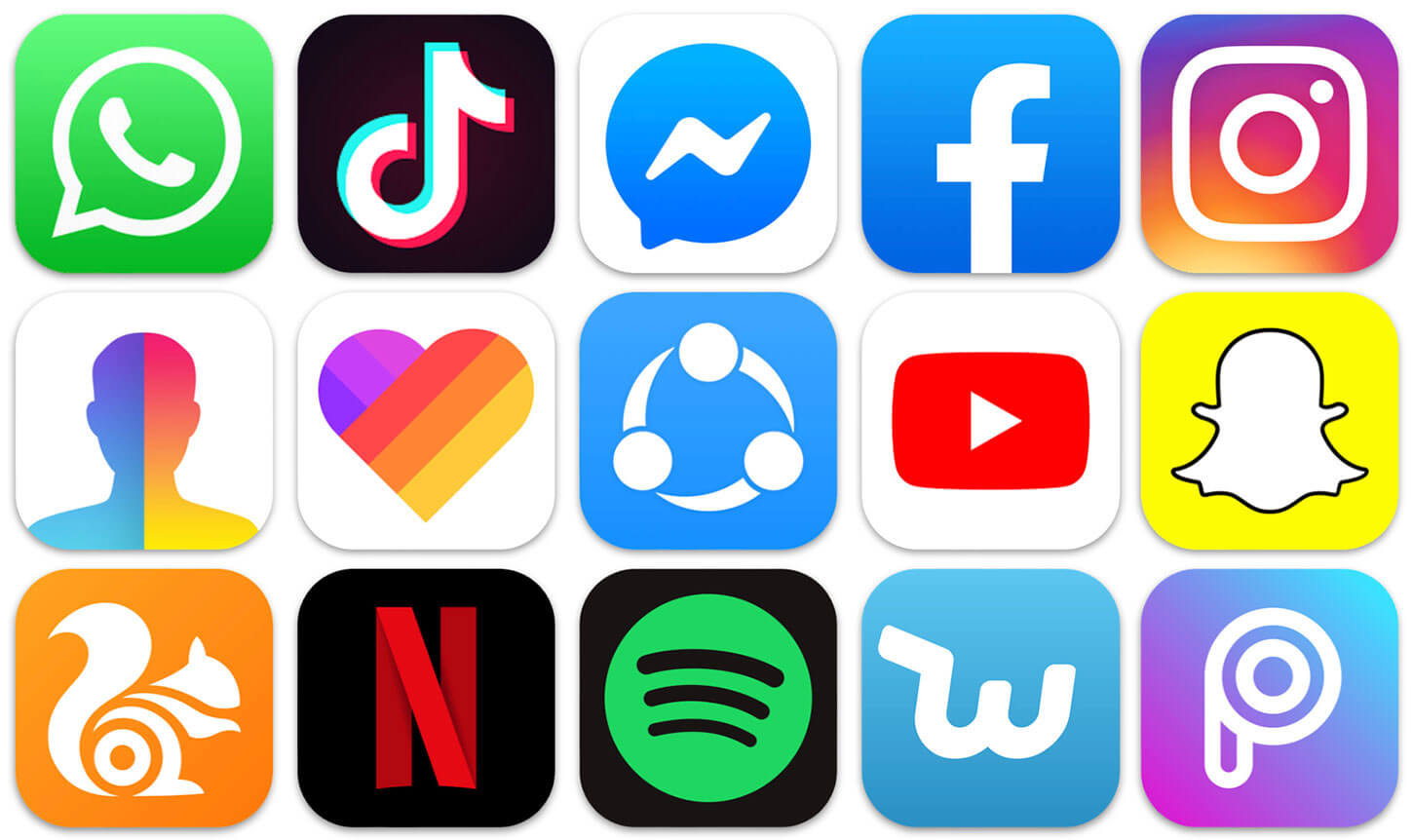
Image source: Best Buy Digital Citizen
Understanding the Differences Between Native, Web, and Hybrid Apps
Not all applications are built the same way. The underlying technology used to create an app determines its speed, how it interacts with your hardware, and whether it can function without an internet connection. Choosing the right type of app—or understanding what you are using—can help you manage your expectations regarding performance and battery life.
Native Apps for High Performance
Native apps are developed specifically for a single operating system, such as Swift for iOS or Kotlin for Android. Because they are built using the platform's native programming languages, they have direct access to hardware features like the GPS, camera, and accelerometer. This makes them a strong choice for resource-intensive tasks like high-end gaming or professional photo editing. They typically offer the smoothest user experience and the most consistent performance.
Web Apps and Progressive Web Apps
Web apps are essentially websites that look and feel like applications but run inside a browser. They are built using standard web technologies like HTML5, CSS, and JavaScript. A significant advancement in this area is the Progressive Web App (PWA) . PWAs can be "installed" on your home screen and can even work offline to some extent, but they do not require a traditional download from a store. They are exceptionally efficient for content-heavy platforms like news sites or social media feeds where deep hardware integration isn't necessary.
Hybrid Apps as a Middle Ground
Hybrid apps attempt to offer the best of both worlds. They are essentially web apps wrapped in a native container, allowing them to be distributed through traditional app stores while sharing much of their code across different platforms. While they may not match the raw speed of a fully native application, they are a popular choice for businesses that need to maintain presence on both iOS and Android without the cost of developing two entirely separate codebases.
| Feature | Native Apps | Web Apps (PWA) | Hybrid Apps |
|---|---|---|---|
| Performance | High | Moderate | Moderate to High |
| Offline Use | Full Support | Limited | Partial Support |
| Development Cost | Higher | Lower | Medium |
| Hardware Access | Full | Restricted | Moderate |
How to Navigate and Organize Apps on Android Devices
Android offers a high degree of flexibility in how you interact with your software. However, this flexibility can sometimes lead to a cluttered interface if not managed properly. Mastering the navigation gestures and organizational tools available in recent versions of Android is essential for a streamlined experience.
The App Drawer vs. Home Screen
One of the most common points of confusion for new Android users is the distinction between the Home Screen and the App Drawer. The Home Screen is a customizable space for your most-used shortcuts and widgets. The App Drawer, usually accessed by a "Swipe Up" gesture from the bottom of the screen, contains every single piece of software installed on the device. According to Google Support , this separation allows users to keep their primary interface clean while still having quick access to their full library.
Creating Folders and Using Advanced Search
To reduce visual clutter, you can group related icons into folders by dragging one icon on top of another. This is particularly useful for categorizing utilities, such as "Finance," "Social," or "Work." Furthermore, the Google App has evolved into a highly capable search tool. Beyond just finding installed software, it now includes AI-driven features like "Hum to Search" for music identification and Google Lens for real-time visual translation of text within other apps.
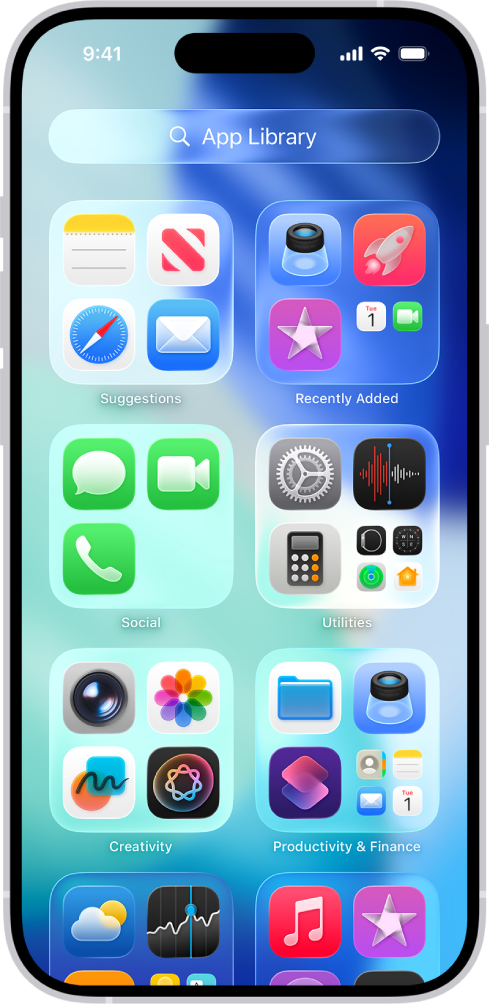
Image source: Apple Support
Why Closing Background Apps on Android Is Usually Unnecessary
There is a persistent myth that manually closing background apps will save battery life and speed up your phone. In reality, modern mobile operating systems are designed to manage memory automatically, and interfering with this process can often have the opposite effect of what was intended.
The Memory Management Myth
Android uses a Linux-based kernel that treats "empty RAM" as "wasted RAM." The system keeps recently used apps in a suspended state in the background so they can be reopened instantly. When the system needs more memory for a new task, it automatically identifies and closes the oldest suspended processes. Manually "killing" these apps forces the CPU to work harder to reload them from scratch the next time you open them, which actually consumes more battery power than simply leaving them in their suspended state.
When to Force Stop an App
While you should generally let the OS handle memory, there are specific scenarios where a "Force Stop" is appropriate. If an application has frozen, is behaving erratically, or is clearly draining battery in the background (which you can check in your system settings), manually closing it is a valid troubleshooting step. Outside of these glitches, the "Updates Off" strategy—where users disable automatic updates for specific apps known to be unstable—is often a more effective way to maintain system performance than constant manual closing.
How to Protect Your Privacy by Reading App Store Labels
Privacy has become a central focus of the app ecosystem. Both Apple and Google have introduced "Privacy Nutrition Labels" to help users understand exactly what data a piece of software collects before they click the download button. Learning to interpret these labels is a critical skill for the modern digital citizen.
Apple’s Privacy Nutrition Labels
Apple categorizes data collection into three main groups: "Data Used to Track You," "Data Linked to You," and "Data Not Linked to You." "Data Linked to You" includes sensitive information like your name, email address, and phone number that can be directly associated with your identity. By reviewing these labels in the App Store, you can make informed decisions about whether a tool's functionality is worth the privacy trade-off. For instance, a simple flashlight app that requests access to your contact list should be viewed with significant skepticism.
The Google App Privacy Comparison
It is worth noting that different versions of the same app may collect different amounts of data depending on the platform. For example, the Google app on iOS may disclose different data collection practices than its Android counterpart due to the specific requirements of the Apple App Store. Users should audit permissions regularly in their device settings to ensure that apps only have access to the camera, microphone, and location data when absolutely necessary for their function.
How to Fix Apps That Stop Working After a System Update
System updates are designed to improve security and add features, but they can occasionally break compatibility with existing software. This is a common pain point for users of specialized hardware, such as smart home speaker systems or professional audio interfaces, where a software mismatch can lead to a loss of functionality.
The "Updates Off" Strategy
Power users often employ a strategy of disabling automatic updates during the initial rollout of a major operating system version. This allows time for developers to release patches for any unforeseen bugs. If you find that a critical tool has stopped working after an update, checking community forums can often reveal if the issue is widespread. In some cases, hardware-specific apps (like those for Sonos systems) have been known to lose connectivity with subwoofers or rear speakers following a buggy system update, requiring a manual rollback or a specific patch from the manufacturer.
ISP-Specific Failures and VPNs
Sometimes, an app failure isn't the fault of the software or the device, but rather the internet service provider (ISP). Certain apps may fail to load on specific networks due to DNS issues or aggressive firewall settings. In these cases, using a VPN or changing your device's DNS settings to a public provider like Cloudflare (1.1.1.1) or Google (8.8.8.8) can often bypass these blocks and restore functionality. This is a common fix for regional connectivity issues reported by various internet user communities.
How to Build Custom Business Tools with Power Apps
For those in a corporate environment, the "app" experience isn't just about consumption—it's about creation. Microsoft Power Apps has emerged as a top-tier low-code platform that allows non-developers to build custom business tools that integrate with their existing data.
The Data-Source First Approach
A common mistake when building custom tools is focusing on the user interface (UI) before the data. Experts recommend a "Data-Source First" approach, where you establish your tables in SharePoint, SQL, or Dataverse before you start dragging buttons onto a screen. This ensures that your app is built on a solid foundation and prevents the need for extensive rework later in the development process. According to Microsoft Learn's advanced techniques , optimizing your data calls is the most effective way to ensure a responsive app experience.
Naming Conventions for Professionals
As your custom app grows in complexity, keeping track of dozens of screens and buttons becomes difficult. Professional builders use standardized naming prefixes to keep their projects organized. This simple habit makes it much easier to write formulas and troubleshoot errors as the project scales.
- SCR (Screen)
- Used for main layout containers (e.g., SCR_HomeScreen, SCR_DetailsPage).
- BTN (Button)
- Used for interactive elements that trigger actions (e.g., BTN_Submit, BTN_Cancel).
- GAL (Gallery)
- Used for lists of data items (e.g., GAL_EmployeeList).
- LBL (Label)
- Used for static or dynamic text displays (e.g., LBL_UserName).
How Developers Manage Apps Behind the Scenes
The lifecycle of an app doesn't end at launch. Developers use sophisticated tools to monitor performance, gather feedback, and expand their reach to new markets. Understanding this process provides insight into why apps change and how they improve over time.
App Store Connect and TestFlight
Apple developers use a tool called App Store Connect to manage their submissions. One of its most valuable features is TestFlight, which allows developers to invite up to 10,000 external testers to try out beta versions of their software. This allows them to gather "crash feedback" and "screenshot feedback" before a public release, ensuring that the final product is as stable as possible. Developers can also use these tools to respond to customer reviews, which is a key factor in maintaining a high rating in the store.
Localization and Performance Monitoring
To reach a global audience, developers must localize their software for different languages and cultures. Recently, platforms have added support for a wider range of languages, including Bangla, Kannada, and Urdu, allowing millions of more people to use these tools in their native tongue. Behind the scenes, developers also use "Monitor" tools to identify bottlenecks in load times. If an app feels sluggish, it’s often because a specific data call or high-resolution asset is taking too long to process—something developers work constantly to optimize.
What the APPS Medical Acronym Means for Students
In certain contexts, the term "APPS" has nothing to do with software. For students entering the medical field, it refers to the Assistant Pre-Professional Skills program or similar paramedical certifications. This disambiguation is important for users who may be searching for educational requirements rather than software downloads.
The Paramedical Career Path
The APPS curriculum typically covers foundational skills required for medical assistants, lab technicians, and other support roles in healthcare. This includes training in patient privacy (HIPAA), basic clinical procedures, and medical terminology. For those pursuing this path, "APPS" represents a critical milestone in their professional development. Understanding the intent behind the search query is essential; while a software developer looks for an API, a medical student looks for a certification syllabus.
Key Takeaways for Managing Your Digital Ecosystem
Effectively managing your apps is about more than just downloading the latest tools; it is about maintaining the health, security, and efficiency of your digital life. By following these core principles, you can ensure a smoother experience across all your devices.
- Prioritize Official Stores: Always source your software from the Apple App Store, Google Play, or Microsoft Store to minimize security risks.
- Trust System Memory Management: Avoid manually closing background apps on Android unless they are malfunctioning; the OS is designed to handle this efficiently.
- Audit Privacy Labels: Use the "Nutrition Labels" in app stores to understand what data is being linked to your identity before installing.
- Manage Updates Carefully: If you rely on specialized hardware, consider disabling automatic updates during major OS rollouts to avoid compatibility issues.
- Use Naming Conventions: If building custom business tools in Power Apps, use prefixes like SCR, BTN, and GAL to keep your project organized.
- Differentiate Intent: Remember that "APPS" can also refer to medical professional skills programs, depending on the context of your search.
Start by reviewing your current app permissions today to ensure your data remains as secure as possible.
Frequently Asked Questions
How do I find hidden apps on my smartphone?
On Android, apps can be hidden through the settings menu of your specific launcher. Typically, you can find these by opening the App Drawer, tapping the three-dot menu icon, and selecting "Hide apps" or "Home screen settings." On iOS, apps may be removed from the Home Screen but remain in the App Library. You can find them by swiping left past your last Home Screen page and using the search bar at the top of the App Library.
Are "free" apps actually free to use?
While many apps do not require an upfront payment, they often use a "freemium" model. This means the basic features are free, but advanced functionality requires in-app purchases or a subscription. Additionally, many free apps use your data as currency, collecting information for advertising purposes. Always check the "Data Linked to You" section of the privacy label to understand the true cost of a free application.
How can I run mobile apps on my Windows PC?
Windows 11 and 12 users can run Android apps natively by installing the Amazon Appstore from the Microsoft Store. This setup uses the Windows Subsystem for Android to allow mobile apps to run in their own windows, just like standard desktop programs. For apps not available in the Amazon store, you may need to use third-party emulators, though these often come with higher resource requirements and potential security risks.
Why is a specific app taking up so much storage space?
App storage is divided into the "App Size" (the software itself) and "User Data/Cache." Over time, apps like social media platforms or web browsers accumulate large amounts of cached data to speed up loading. You can clear this by going to your device's storage settings. On Android, you can specifically "Clear Cache" without deleting your login info, whereas "Clear Data" will reset the app entirely. On iOS, you may need to "Offload" the app to save space while keeping your documents and data.
Can I build an app without knowing how to code?
Yes, platforms like Microsoft Power Apps, Bubble, and Adalo allow you to build functional applications using "low-code" or "no-code" interfaces. These tools use drag-and-drop components and logic builders that resemble Excel formulas. While they are exceptionally strong for internal business tools and simple consumer apps, highly complex or high-performance software may still require traditional native development.