Home
Home
What Is Page Content and How Do You Optimize It for Search and Users?
Page content refers to the total sum of information presented on a specific URL, including text, images, video, audio, and interactive elements. In modern digital ecosystems, it is categorized into Main Content (MC) , which fulfills the page's primary purpose, and Boilerplate , which includes recurring elements like navigation and footers. Effective page content must balance human readability with technical accessibility for AI agents and search crawlers.
In the evolving landscape of 2026, page content has transcended simple text on a screen. It is now a multi-modal asset that serves two distinct audiences: the human user seeking information and the AI agent seeking data to synthesize. According to Conductor , page content encompasses every digital artifact on a URL, from the visible copy to the invisible metadata that powers search engine understanding.
Understanding the nuances of page content is a top-tier requirement for digital marketers, developers, and SEO strategists. It is no longer enough to "write a blog post." Instead, professionals must architect a content experience that is structured, accessible, and strategically linked within a broader ecosystem. This guide explores the technical and strategic layers of content, moving beyond basic definitions to provide a professional operational framework.
Understanding the Difference Between Main Content and Boilerplate
Search engines, particularly Google, do not view all content on a page as equal. The Webserv.io Digital Marketing Glossary highlights a critical distinction that every creator must master: the difference between Main Content (MC) and Boilerplate.
Main Content (MC) is the unique portion of the page that directly addresses the user's intent. If you are on a product page, the MC is the product description, price, and images. If you are on a news article, the MC is the headline and the body text. Google Quality Raters are specifically instructed to evaluate the quality of the MC to determine how well a page achieves its purpose. High-quality MC is original, factually accurate, and comprehensive.
Boilerplate , conversely, refers to the elements that appear across multiple pages of a website. This includes:
- Global navigation menus and dropdowns.
- Website footers containing copyright info and legal links.
- Sidebars featuring "Recent Posts" or "Popular Categories."
- Utility links like "Login" or "Shopping Cart."
While boilerplate is essential for site architecture and user experience, search engines typically de-emphasize these elements when calculating the topical relevance of a specific URL. A common pitfall in content strategy is allowing boilerplate text to outweigh the MC, which can dilute the page's focus and hinder its ability to rank for specific keywords.
The Five Essential Elements of Modern Page Content
To build a high-performing page, you must integrate several layers of information. Modern content is a composite of textual, visual, and technical data points that work in unison.
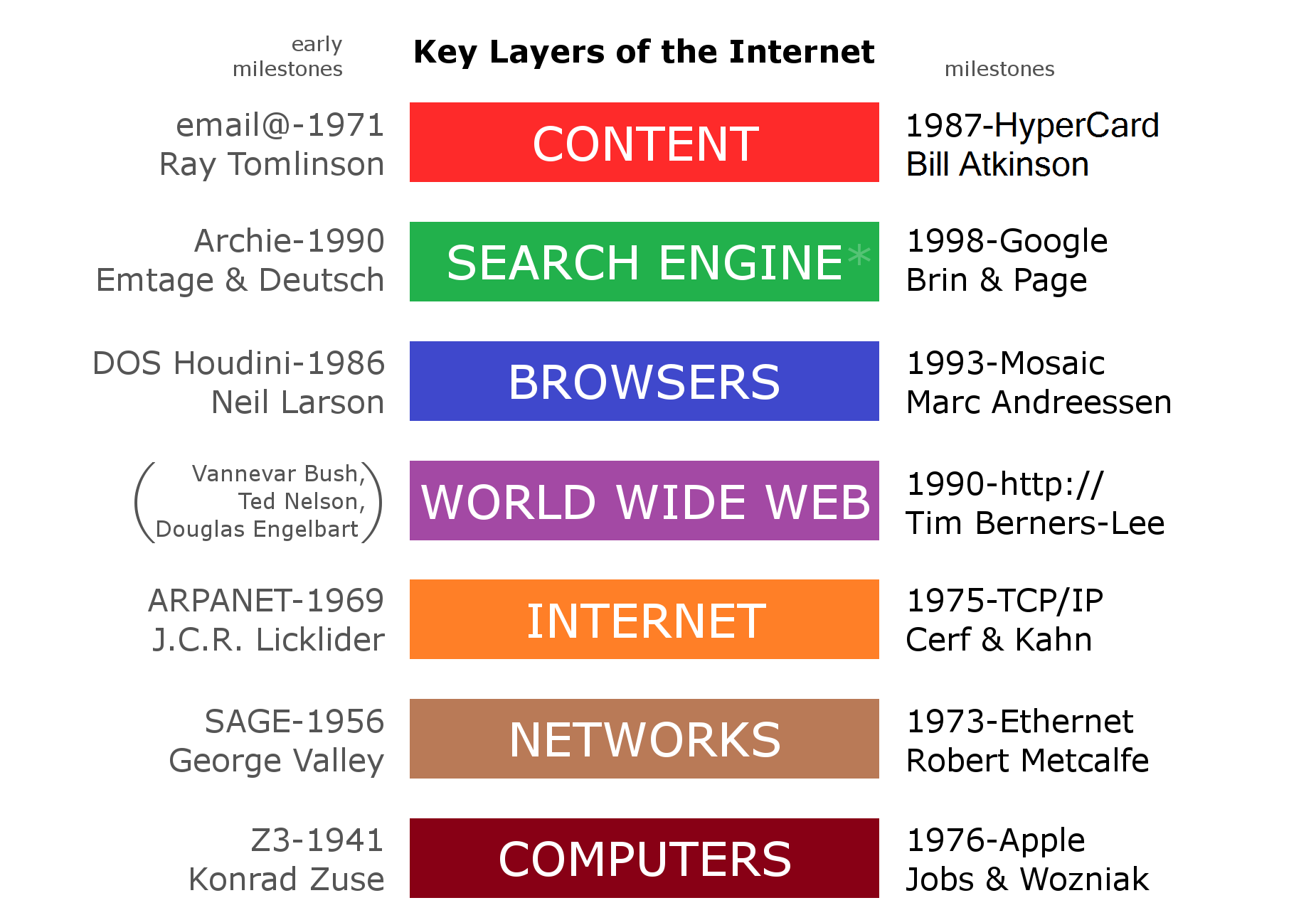
Image source: Wikipedia
1. Textual Information and Readability Standards
Text remains the backbone of SEO. However, the way we write for the web has shifted. Research suggests that for optimal clarity, sentences should be kept between 12 and 15 words. This maintains a high readability score, especially for mobile users who consume content on smaller screens. Textual content must be organized using a strict heading hierarchy (H1 through H3) to provide a roadmap for both users and crawlers.
2. Visual Media and Search Engine Indexing
Images, videos, and infographics are no longer just "decorations." They are vital components of the information delivery system. Because search engines have limited ability to "see" non-text media, they rely heavily on file names, captions, and alt attributes. Providing descriptive alt text is a leading practice for accessibility and ensures that your visual assets contribute to the page's overall SEO value.
3. Interactive Elements and User Engagement
In 2026, "vibe-coding" and low-code interactive tools have become a top choice for increasing time-on-page. Elements like mortgage calculators, interactive quizzes, and product configurators provide personalized value that static text cannot match. These tools transform a passive reader into an active participant, which signals to search engines that the page is highly valuable to users.
4. Structured Data and Invisible Content
Structured data (Schema markup) is the "invisible" content that helps AI agents understand the context of your page. By using JSON-LD to define entities like "Product," "Review," or "FAQ," you provide search engines with explicit clues about your content. This increases the likelihood of appearing in rich snippets and AI-generated overviews.
5. Navigation and Internal Linking Strategies
Internal links are the connective tissue of your page content. A strategic internal linking structure can drive up to 40% more page views by guiding users to related topics. These links also distribute "link equity" throughout your site, helping newer or deeper pages gain authority more quickly.
| Content Type | SEO Value | User Engagement Level |
|---|---|---|
| Long-form Text | High (Keyword Depth) | Medium (Informational) |
| Video/Animation | Medium (Rich Snippets) | High (Immersive) |
| Interactive Tools | Low (Technical) | Very High (Utility) |
| Structured Data | Very High (Context) | None (Invisible) |
How to Structure Your Content for the F-Shaped Reading Pattern
User behavior research by the Nielsen Norman Group has consistently shown that web users do not read pages like books. Instead, they scan in an F-shaped pattern . They start by reading the top horizontal section, move down the page slightly to read a second horizontal swipe, and finally scan the left side of the content vertically.
To optimize for this behavior, you should follow the "Two-Word Rule." Since users often only read the first two words of a heading or bullet point, those words must carry the most significant information. Avoid "fluff" at the start of sentences. For example, instead of "It is important to remember that SEO matters," use "SEO matters because..."
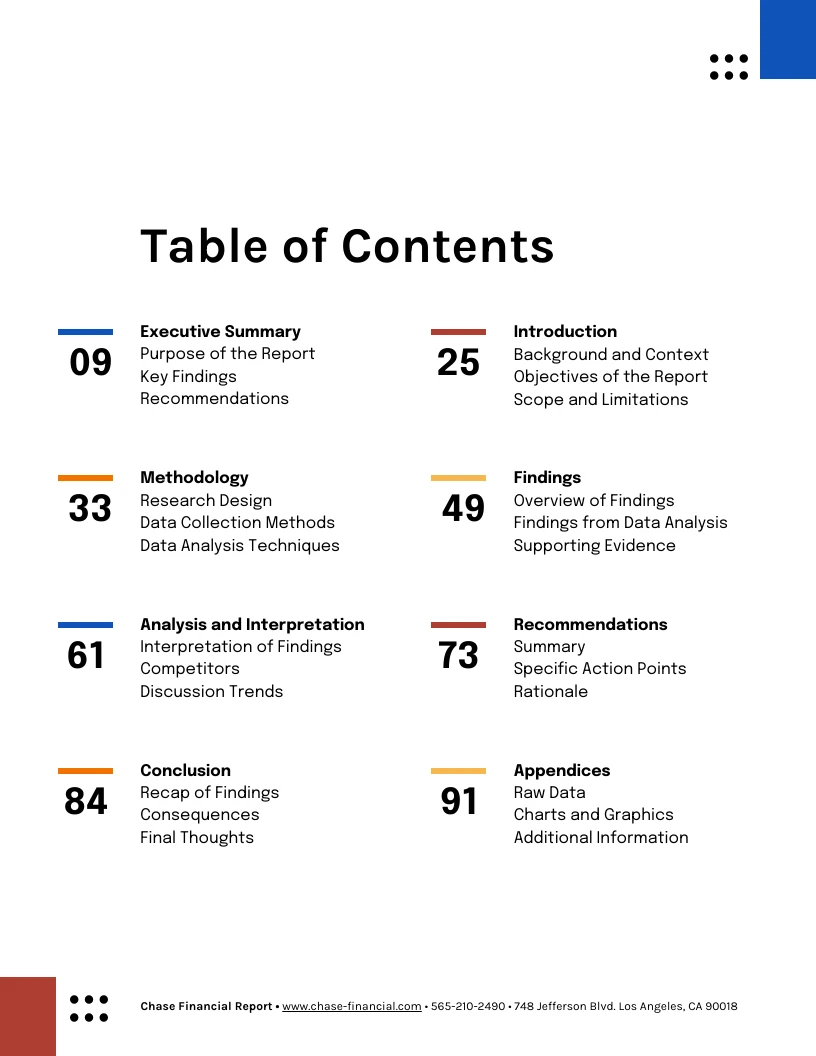
Image source: Venngage
Breaking text into "chunks" is another essential tactic. Large walls of text create cognitive overload, causing users to bounce. Use frequent subheadings, bulleted lists, and short paragraphs to create "breathing room." This structure not only helps humans but also allows AI agents to identify specific "answer fragments" that can be quoted in search results.
How to Build a Pillar-to-Spoke Content Ecosystem
Moving beyond single-page thinking, the Pillar-to-Spoke model stands as a highly effective strategy for building topical authority. Instead of creating disconnected blog posts, you architect a central "Pillar" page—a comprehensive, high-impact guide—and surround it with "Spoke" assets.
The workflow for this ecosystem involves five key steps:
- Identify the Pillar: Choose a broad, high-volume topic that defines your expertise (e.g., "The Complete Guide to Sustainable Gardening").
- Create the Spokes: Develop 10+ smaller assets that dive deep into specific sub-topics (e.g., "Best Soil for Tomatoes," "How to Compost in Small Apartments").
- Interlink Strategically: Every spoke must link back to the pillar using descriptive anchor text, and the pillar should link out to the spokes.
- Distribute Across Channels: Repurpose spoke content into newsletters, social threads, and short-form videos to drive traffic back to the ecosystem.
- Audit and Refresh: Content decay is real. Revisit your pillar every 6 months to ensure data points and links remain current.
This model, popularized by creators like James Clear, ensures that every piece of page content you produce works to support a larger goal, rather than existing in a vacuum.
Managing the Content Lifecycle Within Your CMS
For organizations using platforms like Drupal or WordPress, managing page content requires a disciplined technical workflow. A "Basic Page" in these systems is typically used for static, long-term information. Understanding the content lifecycle is a significant advancement for teams looking to maintain site integrity.
- Draft State
- The initial phase where writers and designers iterate on the MC. This version is private and not indexed by search engines, allowing for collaborative feedback without public exposure.
- Review State
- A critical gatekeeping phase where editors and SEO specialists check for keyword alignment, accessibility compliance, and factual accuracy. According to Stanford Sites documentation , role-based permissions are vital here to prevent unauthorized publishing.
- Published State
- The content is live, indexed, and accessible to the public. At this stage, technical monitoring for load speeds and mobile responsiveness becomes the priority.
- Archived State
- When content becomes outdated but needs to be preserved for legal or historical reasons, it is moved to an archive. This hides it from the main user journey while maintaining a record in the CMS database.
Optimizing Page Content for AI Overviews and References
As we navigate 2026, the goal of SEO has shifted from "Ranking #1" to "Becoming the Source of Truth." Search engines now use Large Language Models (LLMs) to generate summaries directly on the search results page. To ensure your page content is cited as a reference, you must optimize for Information Gain .
Information gain refers to the unique value your content provides that isn't found in other top-ranking results. If your page simply paraphrases existing articles, an AI agent will summarize it without giving you a click. However, if you provide original data, unique case studies, or expert perspectives, the AI is more likely to attribute the information to your URL.
Structure your content in "Answer Fragments"—clear, concise paragraphs that directly answer a specific question. For example, if your H2 is "How to fix a leaky faucet," the first sentence of the following paragraph should be a direct, actionable summary of the fix. This makes it easy for AI to extract and credit your content.
Troubleshooting Common Page Content Technical Issues
Even the most well-written content can fail if technical bugs interfere with its delivery. Based on community insights from developer forums, here are three common pitfalls and their fixes:
Users of page builders often report content vanishing during edits. This is frequently caused by CSS/JS conflicts or aggressive caching. Fix: Clear your CDN cache and disable plugins one-by-one to identify the conflict.
Sometimes a page loads, but the dynamic content items do not appear until a manual refresh. Fix: This is often a platform-side bug. Republishing the item or checking the API connection usually resolves the issue.
Skipping heading levels (e.g., going from H1 to H3) confuses crawlers and assistive technologies. Fix: Always follow a logical H1 > H2 > H3 sequence to maintain a clear document outline.
Frequently Asked Questions
What is the difference between page content and a table of contents?
How many words should a page have to rank in 2026?
Can search engines read text inside images?
How often should I update my page content?
What is the ideal heading structure for SEO?
The Bottom Line on Page Content
Mastering page content requires a blend of creative storytelling and technical precision. By focusing on these key takeaways, you can build a digital presence that stands out as a top choice for both users and search engines:
- Prioritize Main Content (MC) over boilerplate elements to ensure topical relevance.
- Optimize for the F-Pattern by placing critical information in the first two words of headings.
- Leverage the Pillar-to-Spoke model to build sustainable topical authority and improve rankings.
- Use structured data to help AI agents identify your content as a primary source of truth.
- Maintain a clean technical hierarchy by following a strict H1-H2-H3 heading sequence.
- Audit regularly to prevent content decay and keep your information fresh for 2026.
Start your next content project by mapping out a pillar-to-spoke ecosystem to ensure every page you publish contributes to your long-term authority.