Home
Home
Did You Mean YouTube? How to Access the Site and Fix Login Errors
If you typed "youtude" into your browser, you likely made a common keyboard error. To access the official platform safely, visit YouTube.com or download the official app from the Google Play Store . If your browser continues to autofill the incorrect spelling, clearing your browser cache or "forgetting" the URL in your history will resolve the issue.
Why You Might Be Seeing a Youtude Typo or Connection Error
Typing "youtude" is one of the most frequent navigational errors on the internet. Because the "D" and "E" keys are adjacent on standard QWERTY keyboards, users often slip when attempting to reach the world's largest video-sharing platform. While this might seem like a minor inconvenience, it can lead to "Site Not Found" errors or, in worse cases, land users on "typo-squatting" websites that may host malicious advertisements.
As of 2026, modern browsers like Chrome and Firefox have become highly effective at suggesting the correct URL, but persistent errors often stem from a corrupted local cache. If your browser has "learned" the incorrect spelling, it will prioritize it in the address bar. To fix this, you can highlight the "youtude" suggestion in your browser's dropdown menu and press Shift + Delete (on Windows) or Shift + Fn + Delete (on Mac) to remove it from memory.
Image source: Wikimedia Commons
Beyond simple typos, connection errors can occur if your DNS settings are misconfigured. If you are certain you typed the URL correctly but still cannot reach the site, switching to a public DNS provider like Google DNS (8.8.8.8) or Cloudflare (1.1.1.1) often restores access. This is particularly useful in regions where local ISPs may have outdated routing tables for major content delivery networks.
How to Fix the "Content Unavailable" Error and Adblocker Issues
In recent months, many users have encountered a frustrating "This content isn't available" message or a black screen with a playback error. According to community troubleshooting discussions on the Zorin Forum and other tech hubs, this is frequently caused by the ongoing "Adblocker War." The platform has implemented more aggressive detection scripts to encourage users to subscribe to Premium or view advertisements.
If you are experiencing these lockouts, the following community-sourced steps have proven highly effective:
- Switch to uBlock Origin: Many standard extensions like Adblock Plus are easily detected by current scripts. uBlock Origin is widely considered a top choice for its frequent filter updates that bypass detection.
- Update Filter Lists: If you already use uBlock, go to the dashboard, click "Filter lists," then "Purge all caches," and finally "Update now." This forces the extension to download the latest anti-detection rules.
- Try uBlock Lite: For users on Chromium-based browsers (Chrome, Edge) using Manifest V3, the "Lite" version of the extension often provides a more seamless experience with fewer script conflicts.
- Disable Conflicting Extensions: Sometimes, having multiple privacy extensions (like Ghostery and an adblocker) can trigger a false positive in the platform's security system.
Why Is My Video Buffering? Understanding the Technical Side
Buffering isn't just about your internet speed; it involves a complex dance between your device and the platform's infrastructure. The platform utilizes Adaptive Bitrate Streaming (ABR) , a technology that breaks video files into small segments (usually 2-10 seconds long) at various quality levels (144p to 8K). As your bandwidth fluctuates, the player automatically switches between these segments to prevent the video from stopping entirely.
Another critical component is the Content Delivery Network (CDN) . Google operates one of the most expansive CDNs in the world, placing servers in thousands of locations globally. When you click a video, the data isn't coming from a central headquarters in California; it is likely being served from a data center just a few miles from your home. If a specific node is congested, you may experience lag even if your local internet is fast.
Audio and Video Compression Standards
To save bandwidth, the platform uses "lossy" codecs. These algorithms remove data that the human eye and ear are less likely to notice. For example, audio codecs typically remove frequencies outside the 20–20,000 Hz range, which is the limit of human hearing. According to Britannica , this compression allows for high-definition streaming even on relatively modest connections.
- VP9 / AV1
- The primary video codecs used to deliver high-quality visuals at lower bitrates compared to older standards like H.264.
- Latency
- The delay between a data request and the start of the data transfer; high latency causes the "spinning wheel" before a video starts.
- Lossy Compression
- A data encoding method that discards some data to reduce file size, which is essential for streaming billions of hours of content daily.
What Does the New Google AI Pro and YouTube Premium Bundle Offer?
As of 2026, the subscription landscape has shifted significantly. One of the most notable advancements is the introduction of the Google AI Pro + YouTube Premium bundle . This package is designed to integrate advanced generative AI directly into the viewing experience, allowing users to interact with content in ways previously impossible.
For students in over 80 countries, this bundle is available at a highly competitive price of $8.99 per month, a significant reduction from the standard $35.98 price point for the full AI suite. This initiative aims to make educational content more accessible by providing AI-driven tools that can summarize long lectures, generate study guides from video transcripts, and even answer specific questions about the content in real-time.
AI Summarization
Instantly generate bulleted summaries of long-form videos, saving time on research and learning.
Ad-Free Experience
Enjoy uninterrupted viewing across all devices, including mobile, desktop, and smart TVs.
Offline Downloads
Save videos directly to your device for viewing in areas with poor connectivity or during travel.
The AI Pro integration also assists creators by providing "Smart Chapters" and automated SEO tagging, which helps videos reach the right audience more effectively. According to the Official YouTube Blog , these tools are part of a broader effort to make the platform not just a place for consumption, but a comprehensive hub for education and productivity.
How to Use the YouTube Shopping Affiliate Program with Amazon
The platform has evolved into a powerful e-commerce engine through the YouTube Shopping Affiliate Program . In 2026, this program has expanded to allow eligible U.S. creators to tag Amazon products directly within their videos and Shorts. This creates a frictionless shopping experience where viewers can browse and purchase items without ever leaving the video player.
| Feature | Standard Affiliate | Shopping Program (2026) |
|---|---|---|
| Product Placement | Link in Description | On-Screen Product Tags |
| User Friction | High (Must leave app) | Low (In-app checkout) |
| Analytics | Basic Click Tracking | Deep Conversion Insights |
| Eligibility | Open to all | 1,000+ Subs (U.S. Only) |
To join the program, creators must meet specific criteria, including being part of the Partner Program and residing in a supported region. Once enrolled, you can use the "Shopping" tab in YouTube Studio to search for Amazon products and pin them to specific timestamps in your video. This is a significant step forward for creators looking to diversify their income beyond traditional ad revenue.
How to Start a Successful Channel Using the Niche Down Strategy
For new creators entering the space in 2026, the "generalist" approach is rarely effective. Instead, experts like Garrett Yamasaki suggest a "purposeful niching" strategy. By focusing on a micro-niche—such as "grooming tutorials for Goldendoodles" rather than just "pet care"—you can build a dedicated authority much faster. This specificity signals to the algorithm exactly who your audience is, leading to better recommendations.
The 10-Second Hook and Retention Editing
Viewer retention is the most critical metric for growth. To master this, creators are encouraged to use the "10-Second Hook" framework. This involves:
- The Preview: Show a 2-3 second clip of the most exciting or important moment of the video.
- The Bold Statement: Make a claim or ask a question that creates an "open loop" in the viewer's mind.
- The Visual Promise: Briefly explain what the viewer will learn or see by the end of the video.
Once the hook is established, Retention Editing techniques keep the viewer engaged. This includes using jump cuts to eliminate "dead air," adding sound design (like subtle whooshes or clicks) to highlight transitions, and incorporating B-roll to illustrate complex points. According to Hootsuite , these small professional touches can significantly increase the average view duration, which is a key signal for the algorithm to promote your content.
A Brief History of the Platform from 2005 to 2026
The journey from a small startup to a global phenomenon is a cornerstone of internet history. Founded on February 14, 2005, by former PayPal employees Chad Hurley, Jawed Karim, and Steve Chen, the site was originally conceived as a video dating service. However, the founders quickly realized the broader potential for a general video-sharing site. The first video, "Me at the zoo," was uploaded by Jawed Karim on April 23, 2005, and remains a historic landmark on the platform.
Google recognized the platform's potential early on, acquiring it in November 2006 for $1.65 billion—a figure that seemed astronomical at the time but is now seen as one of the most successful acquisitions in tech history. By 2023, advertising revenue alone reached $31.5 billion, with total revenue exceeding $50 billion when including subscriptions. Today, the platform hosts approximately 14.8 billion videos, with over 500 hours of content uploaded every single minute, according to Wikipedia .
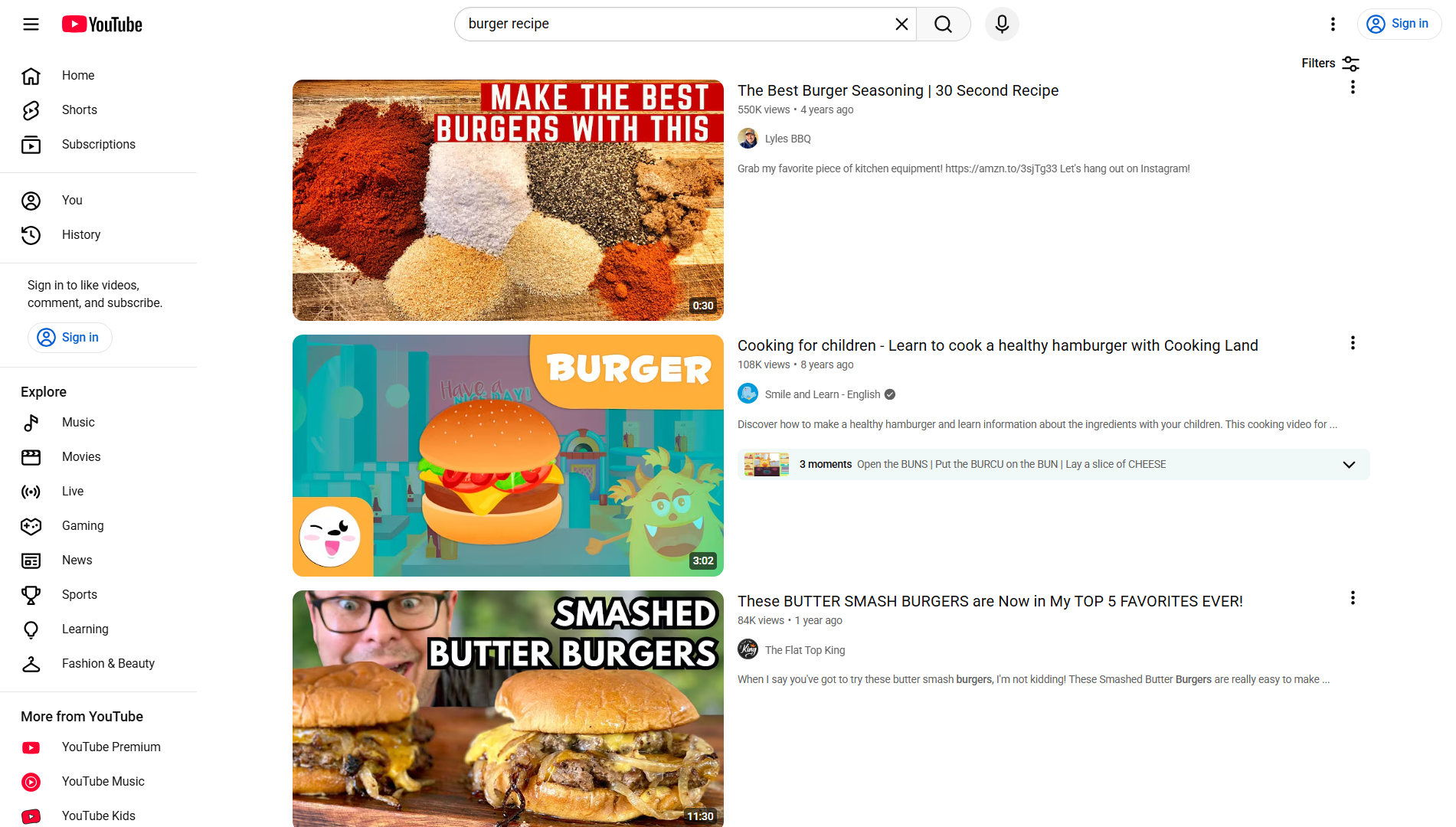
Image source: Wikipedia
Frequently Asked Questions
Is "Youtude" a safe site to visit?
How do I fix the "Try again later" message on my TV?
What is the current price of YouTube Premium for families?
Can I use Google AI Pro to script my YouTube videos?
Why did the platform change its adblocker policy?
The Bottom Line
Navigating the world's largest video platform in 2026 requires a mix of technical savvy and an understanding of new AI-driven features. Whether you are a viewer or a creator, keeping your access secure and your tools updated is essential.
- Verify your URL: Always ensure you are at youtube.com to avoid typo-squatting risks.
- Resolve playback errors: Use updated tools like uBlock Origin if you encounter "Content Unavailable" messages.
- Leverage AI: Take advantage of the Google AI Pro student bundle for a more productive learning experience.
- Monetize effectively: Use the Amazon Shopping integration to turn your content into a storefront.
- Focus on retention: Use the 10-second hook and micro-niche strategies to grow your channel.
- Stay informed: Understand the technical side of buffering and codecs to optimize your viewing quality.
To ensure the best experience, regularly clear your browser's cache and keep your mobile applications updated to the latest version.